World & Current Affairs Latest coverage

US carries out ‘limited strikes’ on Qeshm Island in Iran | World News

The US military has carried out "limited strikes" on Qeshm Island in Iran - hours before the midterms are due to take place.Two officials told Sky's US partner NBC News that they were in self-defence - and in response to Tehran continuing…

November 3, 2026 SphereNexus Editorial Team 5 min read
Share
US carries out ‘limited strikes’ on Qeshm Island in Iran | World News

The US military has carried out “limited strikes” on Qeshm Island in Iran – hours before the midterms are due to take place.

Two officials told Sky’s US partner NBC News that they were in self-defence – and in response to Tehran continuing to target maritime shipping and American assets.

What to know about US carries out ‘limited strikes’ on Qeshm Island

They added this is not a resumption of major combat operations in Iran.

One of the officials claimed the US is intercepting drones and missiles aimed at shipping on a daily basis – and the Islamic Revolutionary Guard Corps “has also routinely targeted and shot at US manned and unmanned aircraft over the Strait of Hormuz” in the past few weeks.

It comes as a diplomat told Sky News that Qatari mediators had “positive talks in Tehran” on Monday night.
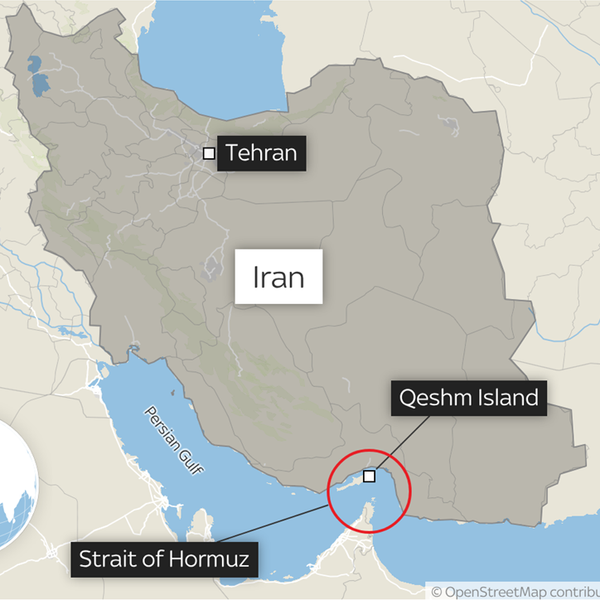
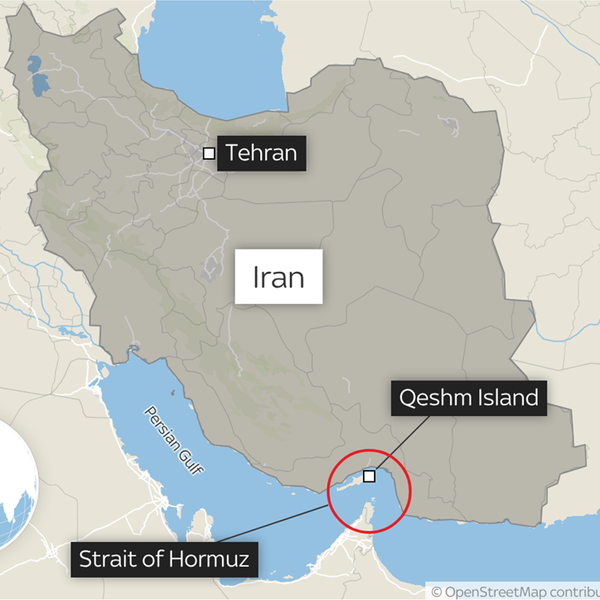
Qeshm Island, located at the mouth of the Strait of Hormuz
Image:
Qeshm Island, located at the mouth of the Strait of Hormuz

They added the mediators are now in Doha, and that “the two sides are now separately reviewing the latest suggestions from mediators aimed at bridging the gaps”.

Iran has been accused of attempting to target a US aircraft, which led to the strike on Qeshm Island to take out a launcher.

“This was a defensive measure for Iranians using surface-to-air missiles against US assets,” a third official added.

Earlier on Monday, Iranian state media had reported there were several explosions on the island.

Commercial ships near Qeshm Island go dark after US strikes

By Sophia Massam, digital investigations journalist

Ship tracking data shows over 20 ships in the Strait of Hormuz going dark as US strikes hit Qeshm Island in the early hours of this morning.

Data from MarineTraffic shows the Automatic Identification Systems (AIS) of at least 26 commercial ships around Qeshm Island stopping transmission.

The ships, a mix of cargo and oil tankers, were stationary off the eastern end of the island on the night of 2 November, according to AIS data from MarineTraffic.

Sixteen of those vessels were Iranian flagged.

Iran’s state-affiliated news agency, Fars, reported several explosions heard on Qeshm Island in the early hours of the morning of 3 November.

At around 2am on the 3 November (5.30am in Iran Standard Time), the AIS positional data of those ships began disappearing off the map.

By 5am (8.30am IST), only four ships remained visible in the area.

“A ship’s captain decides whether to switch off the AIS system in his or her ship (which is technically illegal anyway) and in this case individual captains are making their own judgements of the risks they face being in that part of the Gulf,” Professor Michael Clarke, Sky News military analyst, explained.

Many commercial ships operating in the Strait of Hormuz have been turning their AIS systems off – known as going dark – since the war with Iran began, to avoid drone and missile attacks.

Professor Clarke said this behaviour “suggests that the ships might fear being targeted by the US, as many were Iranian-flagged vessels and close to the Iranian mainland. And they may have worried that they could just become collateral damage in any new exchange of fire between US and Iranian forces, simply by being there”.

Key context and latest developments

“One can understand a captain’s natural reaction to get the ship out of potential danger – turn the AIS transponder off for a few hours and get a good 50 miles away in another direction,” Professor Clarke said.

The island, which sits in the strategically significant Strait of Hormuz, is a hub for oil and commercial trade.

visualization

Located at the mouth of the Strait of Hormuz, Qeshm Island, which is approximately 1,445sq km (558sq miles) in size, has been the target of previous US attacks throughout the conflict.

Donald Trump has hinted at renewing attacks on Iran after the midterm elections over recent weeks – but after a speech at the Lincoln Memorial Reflecting Pool on Monday, he indicated he might be thinking otherwise.

Battlefield and ballot box dangerously collide as US strikes Iran

Of all the moments to risk another confrontation with Iran, Donald Trump chose the eve of America’s midterm elections.

Strikes on Iran’s Qeshm Island are not just a military operation – they are a high-stakes gamble.

The commander-in-chief is wagering that a show of strength will resonate with voters expressing economic and political anxiety.

The administration has described the operation as “defensive” and “limited”, but Tehran is likely to interpret it as another provocation, threatening fragile diplomacy.

A US official said the strikes were on “Iranians using surface-to-air missiles against US assets”.

Maybe so, but they expose the contradictions at the heart of the administration’s policy on Iran.

While vice president JD Vance was expressing optimism about the potential for a diplomatic breakthrough, an American military operation was unfolding near the Strait of Hormuz.

With Republicans facing anger over rising costs, it puts this unpopular war front and centre on polling day.

Ultimately, Qeshm represents more than a military target – it is a test of Trump’s political calculations, the battlefield and ballot box dangerously colliding.

More from Sky News:
Trouble for Trump? Here’s what the polls say

Victims of deadly Florida jet crash named

In a post on Truth Social on Monday, the US president reiterated claims he has made throughout the conflict that a deal between Washington and Tehran could soon be reached.

He wrote: “Oil Prices are DROPPING LIKE A ROCK, down almost $10 a Barrel, A RECORD, because people feel that there will not be a War with Iran. Iran wants a settlement, as soon as possible. It could happen!”

The US military campaign against Iran has been a key talking point leading up to the midterm elections, with the war having a knock-on impact on the US economy by driving up the price of oil.

JD Vance, the US vice president, told reporters earlier this week that “the president and I both feel pretty good about the prospects for potentially coming to a negotiated settlement”.

Meanwhile, a senior Iranian official told Reuters that a deal to end the war is far from agreed, saying that it would not accept the US’s “excessive ‌demands”.

About the publisher

SphereNexus Editorial Team

The SphereNexus editorial team creates clear, useful and carefully presented stories across health, lifestyle, education, entertainment and sports.

Read our editorial policy

Leave a Reply

Your email address will not be published. Required fields are marked *