
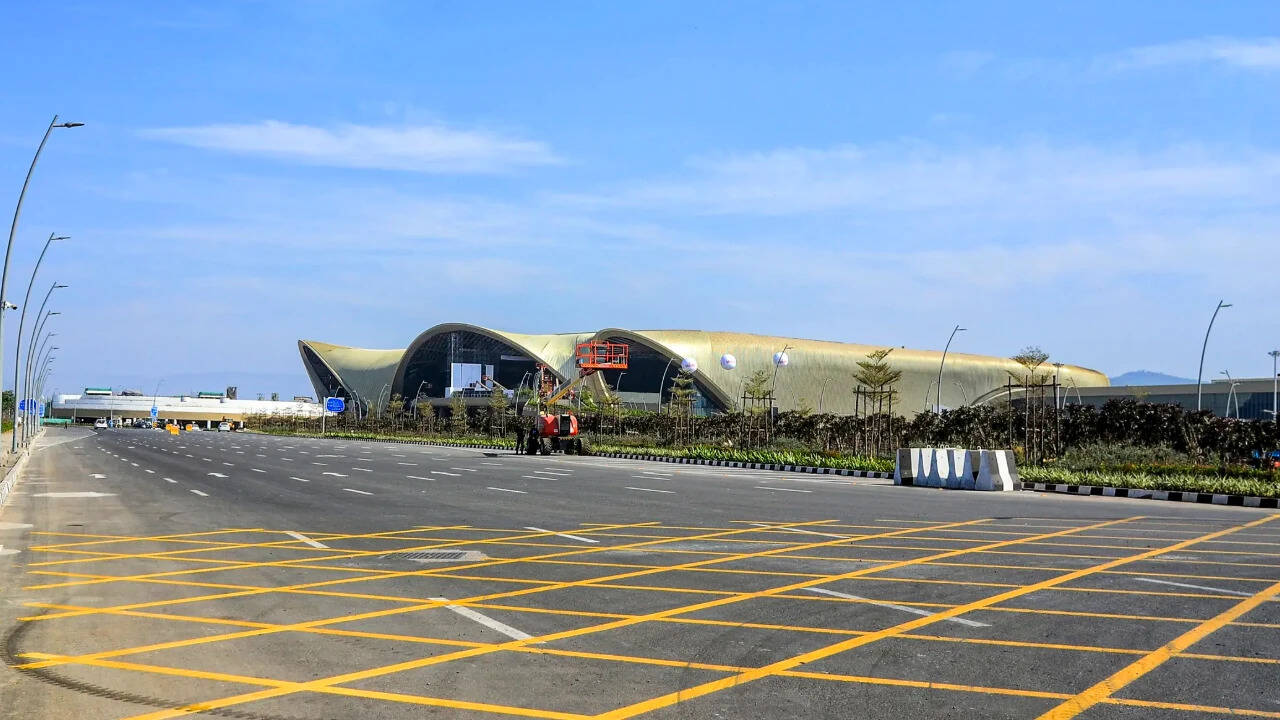
Mumbai’s two-airport system is set to take shape with IndiGo and Air India Express planning a phased transfer of international flight operations from Chhatrapati Shivaji Maharaj International Airport (CSMIA) to Navi Mumbai International Airport (NMIA), as the redevelopment of Mumbai airport’s Terminal 1 approaches.Under plans announced jointly with Adani Airport Holdings Limited (AAHL) on October 25, IndiGo will begin international operations from Navi Mumbai in February 2027, progressively transferring 12 daily international departures from Mumbai and adding a daily service to Kathmandu. Air India Express, meanwhile, will begin operating four daily domestic flights from NMIA in December 2026 before progressively shifting services to West Asian destinations from January 2027.Together, the announcements mark a significant step towards redistributing airline operations between the two airports. The Times of India has reported that the combined transition could involve 38 daily international flight movements, including arrivals and departures, before the start of the summer 2027 schedule.The transition is linked to plans to redevelop Terminal 1 at CSMIA, which will require capacity adjustments at Mumbai’s existing airport. The airport operator has been working with airlines on how traffic can be redistributed while maintaining connectivity and minimising disruption to passengers.
Which IndiGo flights are moving?
IndiGo plans to progressively transfer its existing international services from CSMIA to NMIA covering Bahrain, Riyadh, Dammam, Jeddah, Madinah, Kuwait, Ras Al Khaimah, Fujairah, Muscat, Dhaka and Jakarta.The airline will also introduce a daily service to Kathmandu, taking its international network at Navi Mumbai to 12 destinations between February and July 2027.The transfer will include the domestic connectivity required to support international services, with the airline and AAHL working on arrangements for passengers making onward connections between domestic and international flights at NMIA.IndiGo said the move would also create room for further international expansion from CSMIA in 2027, including new services across Asia, Africa and Europe using its expanding A320, A321 and A321XLR fleet.The airline has not yet announced the final dates for individual route transfers. These will be confirmed after operational coordination and the necessary approvals are completed.
Air India Express to shift West Asia services
Air India Express will begin its Navi Mumbai operations with four daily domestic flights from December 2026. It plans to introduce services to Kuwait, subject to approvals, and shift existing services to Oman from January 2027.The airline will then progressively transfer services to Jeddah, Riyadh, Dammam, Doha, Muscat and Sharjah to NMIA, with the transition expected to be completed by the IATA Northern Summer 2027 season.The Air India Group said the phased move would support the redevelopment of CSMIA’s Terminal 1 while allowing the group to continue serving the Mumbai market through both airports. It also said the arrangement would help preserve the historic nature of its existing operating slots at CSMIA.The precise transition dates and the final operating schedule for individual services will be important for passengers, particularly those travelling to West Asian destinations or connecting onwards through Mumbai.
Why are flights being shifted?
The immediate driver is the planned redevelopment of Terminal 1 at CSMIA. The airport operator has proposed redistributing traffic to accommodate passengers affected by the terminal’s redevelopment, with Navi Mumbai expected to take on a larger share of operations.Reuters reported earlier this month that Mumbai International Airport Limited (MIAL), which operates CSMIA under the Adani Airports group, had proposed a reduction of around 33% in international departure slots at Terminal 2 as part of the capacity adjustment. The proposal triggered objections from the Airline Operators Committee of Mumbai, which raised concerns about short-notice changes, disruption to approved schedules and the need for greater transparency around terminal capacity and safety assessments.The airline announcements on October 25 represent progress towards a phased transition, although they do not by themselves settle every question surrounding the wider redistribution of flights across Mumbai’s two airports.The latest arrangements also differ from an immediate, blanket transfer of international operations. Instead, the two airline groups have outlined specific routes and phased timelines, while final operating dates and some approvals remain outstanding.
What does this mean for passengers?
For passengers, the most important change will be the airport from which their flight departs. Travellers booked on affected routes will need to check their tickets and airline communications carefully as transition dates are confirmed. A flight that currently operates from CSMIA may shift to NMIA under the phased plans, while other services will continue operating from the existing airport.The transfer of domestic feeder services alongside international flights will also be significant for passengers connecting through Mumbai. IndiGo has said it plans to move the required domestic connectivity to support its international operations at NMIA, while the airport operator is working with the airline on domestic-to-international transfers.The two-airport model is intended to provide additional capacity for the Mumbai Metropolitan Region as traffic grows and redevelopment proceeds. However, the practical impact will depend on how effectively airlines coordinate schedules, connections and passenger communication, as well as the accessibility of the new airport for travellers from different parts of the region.
A new phase for Mumbai aviation
The planned transfers are an important step in establishing NMIA as a larger international hub for the Mumbai region. For IndiGo, the airport is intended to support long-term international growth; for Air India Express, it will provide an additional operating base for domestic and West Asia services.At the same time, CSMIA is expected to remain a key airport for the region, with IndiGo saying that the transfer will create capacity for further international expansion from the existing airport and that any additional adjustments to its Terminal 1 operations will be accommodated at Terminal 2.The transition will therefore be less about moving all flights out of Mumbai and more about creating a functional division of operations between CSMIA and NMIA. Its success will depend on the phased implementation of the announced plans, passenger connectivity between the two airports and the resolution of remaining operational questions as the Terminal 1 redevelopment moves forward.